Loading
Selected work
Avatar Window
The site you are reading this on.
An AI version of me in a rendered 3D apartment, with a fully procedural San Francisco outside the window that tracks the real clock and the real weather. A conversational avatar with voice, lip-sync and expression; recommendation systems for books, film and music that learn from what you actually do; and a living scene built shader by shader. Next.js, Three.js, MongoDB, and large language models.
I show it because it is the whole argument in one place: what one person directing AI agents can actually produce, where it goes wrong, and what has to be true before anyone should trust the result. Scoping that, and knowing what to throw away, is the part that does not get solved by hiring more engineers.
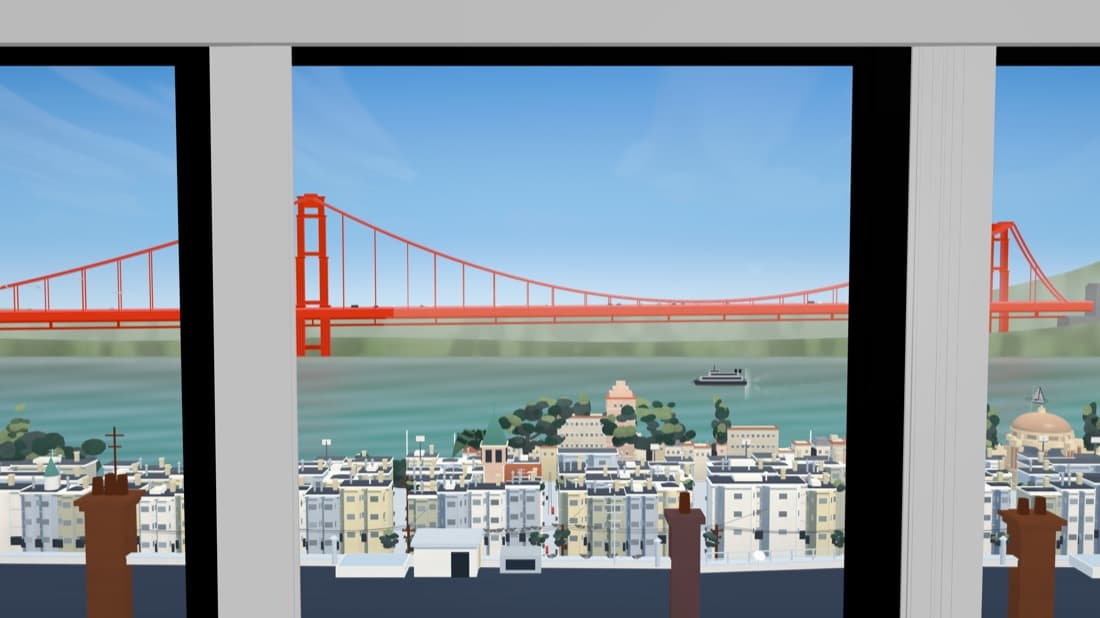
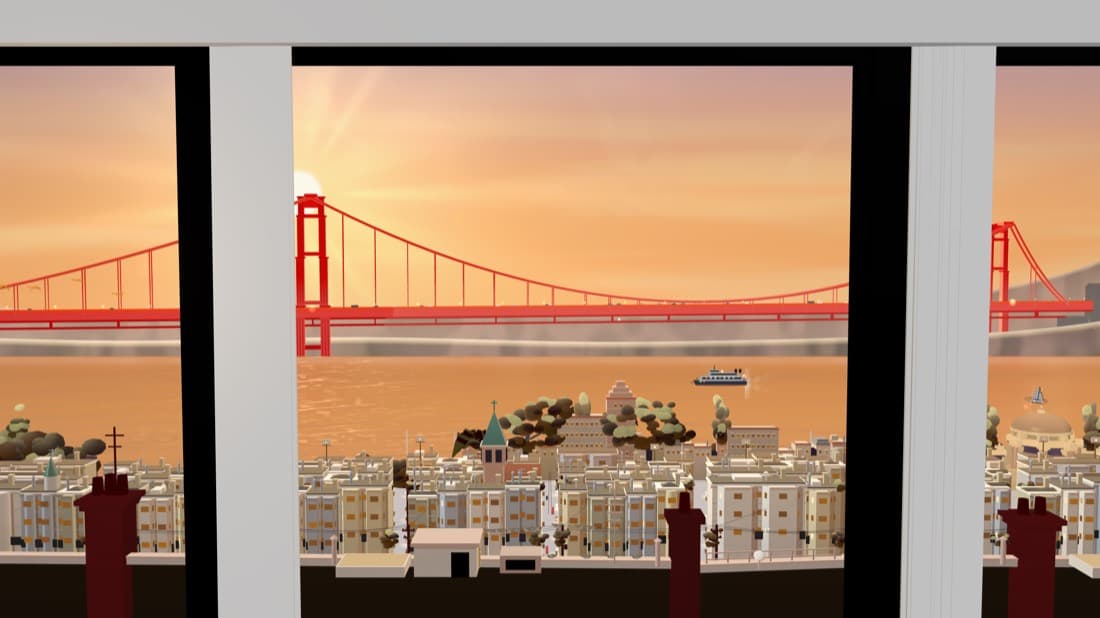
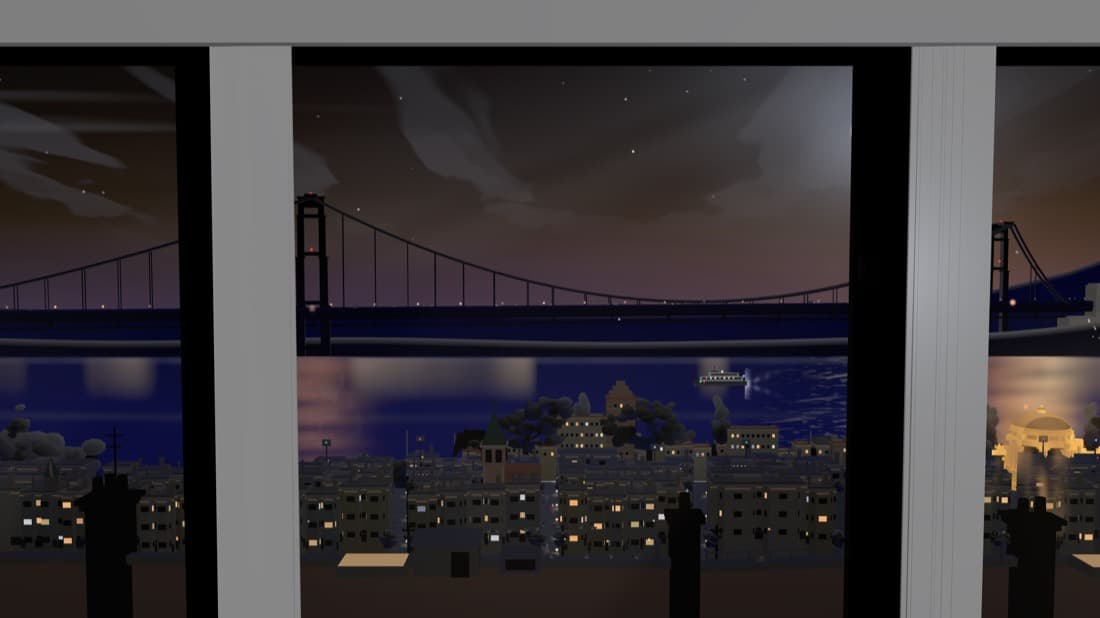
Frames captured from the running scene on September 19, 2026
~176k
lines of TypeScript
1,760
test cases, 167 suites
70
custom React hooks
Counted from the source tree on September 19, 2026
How I Work With AI
Most of this site was built in collaboration with AI coding agents, and every line of it was reviewed, tested, and often deleted by a human. That split is the point, and it is the management problem too: the generation is cheap now, the judgment is not, and the people who can tell the two apart are the ones worth building a team around.
Delegate Deliberately
AI does the generation; I own the direction, the taste, and the decisions. Knowing which is which is the job.
Verify Ruthlessly
AI output is confidently wrong in ways that look right. The interesting work is building habits that catch it.
Show the Seams
People trust AI appropriately when they can see how it works. Legibility is a feature, not a leak.
The full story of building this site that way, including where the AI went wrong and how it got caught, is in How This Was Built. What the avatar actually receives, keeps and gets wrong is in the model card.
Writing
Short pieces about putting AI in front of people, mostly about the gap between what a system can do and what people believe it can do.
Essay · August 2026 · 7 min read
Designing for Appropriate Trust
A charming AI is not the same thing as a trustworthy one. How this site tries to earn exactly as much trust as it deserves, no more, and why that is a design problem rather than a disclaimer problem.
Case study · August 2026
How This Was Built
Most of this site was written by AI agents. All of it was directed, reviewed, and pruned by a human. What got delegated, where the AI was confidently wrong, and the habits that caught it.
Say Hello
I am looking for the role where applied AI is the strategy rather than a side project, and someone has to own it: set direction, build the team, and answer for what the system does in front of real people. If that is the seat you are filling, this is the right door.
The avatar is fun, but there is a real person here too. Email is the surest way to reach me.